
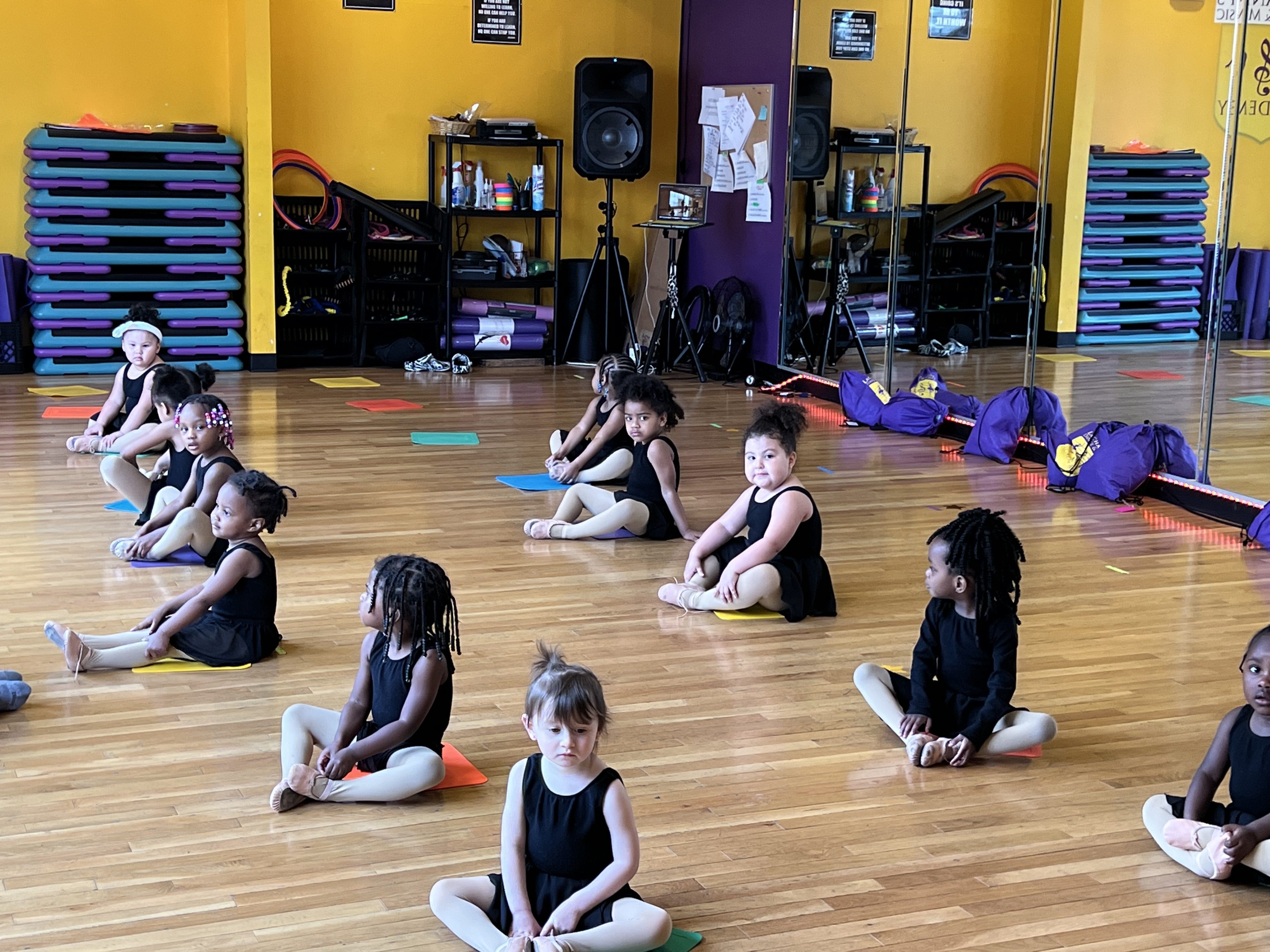
At LaChaney’s Dance & Music Academy, we firmly believe that every child has a voice—whether through movement, music, or simply being themselves. For children on the autism spectrum, dance and music are not just activities; they are powerful tools that unlock new pathways of communication, social connection, and self-expression.
If you’re a parent, teacher, or caregiver seeking a way to help a child with autism develop new skills, foster emotional growth, and build confidence, you might just find that dance and music offer a magical solution. Here’s how these incredible art forms can make a world of difference for children on the spectrum.
Dance: A Language of Movement and Expression
For many children on the autism spectrum, verbal communication can be challenging. However, dance offers an alternative form of expression that doesn’t require words at all. Through dance, children can express emotions, tell stories, and engage with others in a way that feels safe and empowering.
At LaChaney’s, we create an environment where movement becomes the language of the soul. Whether it’s a simple sway to a beat or learning a choreographed routine, dance helps children connect with their inner selves and with others around them. It’s a place where they can express feelings and thoughts that might otherwise be difficult to articulate.
Movement and rhythm engage the body in a way that feels instinctive, and when combined with music, the results can be truly transformative. Children on the spectrum find that dance allows them to feel more in control of their body, enhancing both motor skills and coordination. It’s not just about learning steps—it’s about connecting with the world in a meaningful, physical way.
Music: The Heartbeat of Connection and Growth
Much like dance, music provides children on the autism spectrum with an outlet for expression and emotional regulation. Research shows that music has a unique ability to reach and connect with children in ways that other forms of communication might not. The rhythm, melody, and harmony found in music can help children develop language skills, improve listening abilities, and provide a sense of calm and structure.
At LaChaney’s, we use music as a tool for connection. Whether it’s learning an instrument, singing, or simply engaging with rhythmic patterns, music becomes a bridge that connects children with the world around them. The rhythm of music helps children with autism stay focused, and the act of making music is rewarding and confidence-boosting.
Music also enhances emotional development. When children participate in group music classes, they learn to work together, take turns, and listen attentively to others. The ability to recognize and respond to melodies and harmonies builds social awareness, a critical skill for children on the spectrum.
Building Social Skills: Dance and Music as a Gateway to Interaction
One of the most significant challenges for children on the autism spectrum is social interaction. Dance and music offer fun, engaging ways to break down social barriers, providing opportunities for connection with peers.
In our classes, students engage in group activities that promote teamwork, sharing, and mutual respect. Dance routines require cooperation, while music classes encourage students to listen to one another and contribute to a collective sound. These shared experiences help children on the spectrum learn how to interact socially in a safe and structured setting.
The non-verbal communication that takes place in both dance and music helps children form bonds with others and practice empathy, as they work in synchrony with their peers to create beautiful rhythms and movements.
Building Confidence and Self-Esteem Through Achievement
The sense of accomplishment that comes from mastering a dance routine or learning to play an instrument can have a profound impact on a child’s self-esteem. At LaChaney’s, we celebrate every step of growth, no matter how small.
As students on the spectrum reach milestones—whether it’s completing a dance routine or playing their first song on the piano—they gain a sense of confidence and pride in their abilities. Achieving something they once thought was impossible gives them the courage to tackle new challenges, both inside and outside the studio.
It’s not just about perfection—it’s about progress. Dance and music provide a safe space where children can express themselves freely and celebrate their unique talents, helping them embrace who they are with confidence.
A Place of Belonging: LaChaney’s Is for Everyone
At LaChaney’s Dance & Music Academy, we pride ourselves on creating an inclusive, supportive environment where all students—regardless of their challenges—feel welcome and valued. Dance and music transcend the barriers of language, and they create a sense of belonging for all children.
Our teachers are specially trained to work with students on the autism spectrum, providing personalized instruction and ensuring that every child receives the attention and support they need to thrive. Whether a student is just starting their journey or is continuing to refine their skills, our programs are designed to accommodate all learning styles and needs.
Join Us in the Dance and Music Revolution
If you have a child on the autism spectrum or know someone who could benefit from the transformative power of dance and music, we invite you to join the LaChaney’s family.
Our programs are more than just classes—they are opportunities for growth, connection, and confidence. We believe in the potential of every child, and we’re here to help them discover their voice through the arts.
Stay tuned to our blog for more inspiring stories, updates, and insights on how dance and music can make a difference in the lives of children with autism. We can’t wait to see what your child will achieve with the power of dance and music at LaChaney’s!